پشتیبانی۲۴ ساعته:
02595170912
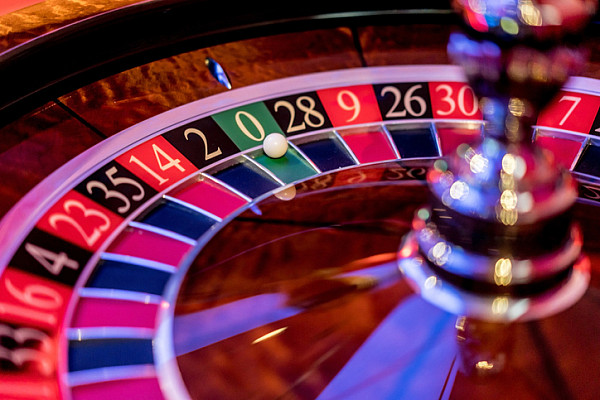
Casinos are meticulously designed spaces that evoke strong emotional responses from their visitors. The moment patrons step inside, they are greeted by vibrant colors, enticing sounds, and even specific scents, all of which are strategically chosen to create an atmosphere that promotes excitement and encourages prolonged engagement. For those looking to enjoy their time even more, options like visa fast withdrawal casino can enhance the overall experience. The combination of lights and sounds, from ringing slot machines to upbeat music, stimulates a sense of thrill and urgency, compelling individuals to immerse themselves in the gambling experience.

Furthermore, the architectural layout of casinos is not arbitrary; it is crafted to guide players through the space in a way that maximizes their exposure to gaming options. There are often no windows or clocks, which disorients patrons and makes it difficult for them to track time. This design encourages longer stays, as individuals become absorbed in the moment, losing track of external factors such as time, hunger, or fatigue. This sensory manipulation plays a crucial role in embedding gambling as an engaging activity within the minds of visitors.
The psychology of environment extends to the social aspect of casinos as well. Many individuals are driven by the thrill of competition, whether it is against other players or the house. The presence of fellow gamblers can enhance the excitement, as individuals share in the collective highs and lows of gameplay. This sense of community and shared experience can create a feedback loop, encouraging players to continue gambling to sustain the emotional high experienced in such social settings.
Cognitive biases contribute significantly to gambling behavior, often leading players to make decisions that defy logic. For instance, the illusion of control is a common phenomenon where gamblers believe they can influence the outcome of games based on their actions, despite the inherent randomness of games of chance. This belief can lead to more frequent gambling as individuals engage in longer play sessions, convinced that their next bet could yield a win.
Another prominent bias is the gambler’s fallacy, where players erroneously believe that past outcomes can influence future results in random events. For example, if a player observes several losses in a row, they may feel that a win is ‘due.’ This misconception can result in reckless betting behavior, as individuals often increase their stakes, thinking they are about to reverse their fortunes. The reinforcement of such biases can create an addictive cycle of gambling behavior, cultivating a dependency on the thrill of potential wins.
The framing effect also plays a role in how gamblers perceive risks and rewards. If a casino advertises a game with a high payout potential, even if the odds are similarly low to another game with smaller prizes, players may be more inclined to choose the high-risk option. This tendency to focus on potential gains rather than actual probabilities can lead to poor decision-making and an increased likelihood of engaging in gambling behavior that may lead to significant financial losses.
Gambling behavior is closely tied to emotions, with wins and losses eliciting strong responses from players. The euphoria experienced after a win can be intoxicating, prompting players to chase that feeling repeatedly. This emotional high can trigger the release of dopamine in the brain, reinforcing the idea that gambling is synonymous with pleasure and excitement. Consequently, players may find themselves returning to casinos, driven by the need to replicate those exhilarating moments.
Conversely, losses can lead to feelings of frustration, anger, and despair. Many gamblers contribute emotional pain to their gaming experiences, often leading to an escalation in their gambling behavior as they strive to recover lost funds. This notion, known as “chasing losses,” can perpetuate a cycle where players gamble more in an effort to redress previous errors, further entrenching them in compulsive gambling behavior. The emotional rollercoaster associated with gambling underscores the complex interplay between mood, motivation, and gambling habits.
Additionally, social dynamics can enhance the emotional aspects of gambling. Winners often share their success stories, leading others to believe that they too might experience the same fortune. This social validation can amplify feelings of excitement and risk-taking, as individuals want to be part of the perceived success within their social circles. The intertwining of social and emotional factors creates a potent recipe for reinforcing gambling behavior, making it difficult for individuals to disengage from the experience.
The pursuit of gambling can significantly shape an individual’s identity over time. For many, it becomes ingrained in their self-image, where they may come to see themselves as “gamblers” rather than casual participants. This identity can lead to an overemphasis on gambling as a defining characteristic, which may overshadow other aspects of their lives. The desire for social recognition or the thrill associated with gambling can further entrench this identity, making it challenging to embrace alternative pursuits.
Moreover, societal perceptions of gambling can influence personal identity. In many cultures, gambling is viewed with a mix of fascination and stigma, which may lead some individuals to embrace or reject this identity based on external judgments. Those who find acceptance in gambling communities may feel empowered and defined by their gambling successes, while others may struggle with shame and guilt if their experiences are negative. This dynamic can exacerbate feelings of isolation, particularly for those whose lives are negatively impacted by gambling.
The pursuit of a gambling identity can also lead to changes in one’s social interactions and relationships. As individuals grow more engrossed in gambling, they might prioritize betting activities over social gatherings or family time, which can strain existing relationships. Consequently, the journey of gambling can be a double-edged sword, providing a sense of belonging and excitement for some while simultaneously causing disconnection and emotional turmoil for others. Recognizing this duality is essential for understanding the broader impact of gambling behavior on personal identity.
Recognizing and addressing problem gambling is crucial for minimizing its negative consequences. Awareness of the psychological aspects of gambling behavior allows not only individuals but also families and communities to better understand the signs and challenges associated with compulsive gambling. Resources such as counseling, support groups, and helplines offer essential support for those struggling with gambling addiction. Professional intervention can help individuals navigate their behaviors, regain control, and rebuild their lives.
Many organizations focus on providing education and advocacy for responsible gambling practices. These initiatives aim to foster a deeper understanding of the psychological triggers that lead to gambling-related issues. By implementing preventative measures and offering resources, communities can create supportive environments that help individuals make informed choices regarding gambling activities, reducing the likelihood of dependency and addiction.
Moreover, raising awareness about the emotional and societal impacts of gambling disorder contributes to destigmatizing the conversation around it. As societies become more open to discussing gambling behaviors and their consequences, individuals may feel less isolated in their struggles and more inclined to seek help. The transition toward understanding problem gambling as a public health issue rather than a personal failing is vital for promoting empathy and support for those affected by gambling addiction.