
پشتیبانی۲۴ ساعته:
02595170912
Most Australians treat a night out at the pokies like a prepaid dinner, but that mindset breaks down fast when the lobby gets loud and the drinks keep coming. In my years moving between VIP desks in Tokyo, Macau, and Paris, I learned that the best retention plans start with a hard cap before the first spin. You do not need a spreadsheet, just a clear line between fun money and money you cannot afford to lose. This guide on how to budget for casino entertainment skips the usual advice and builds around what actually keeps a player returning without blowing the limit.
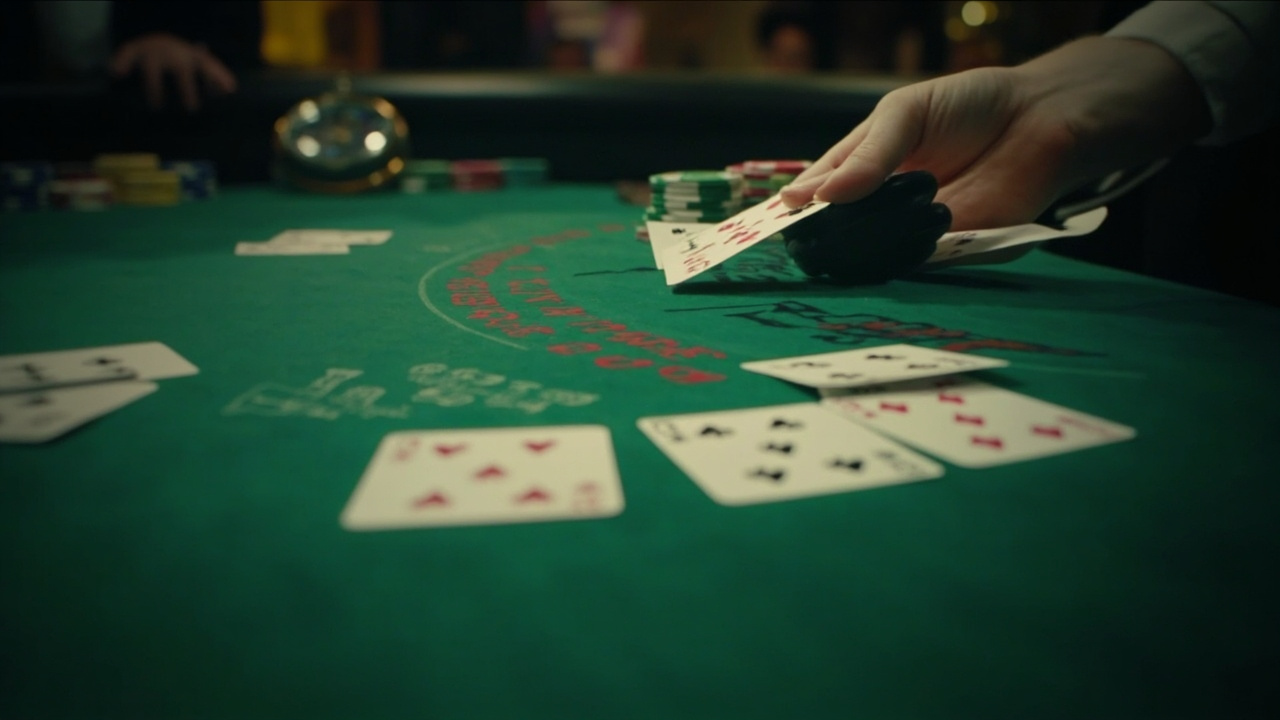
The usual advice tells you to set a per-spin limit, but that misses the real cost of a session. When I handled high-value accounts across Mandarin and French markets, we never talked about individual bets; we talked about total exposure for the evening. A player who arrives with $200 and treats it like a fixed entertainment ticket will last longer than one chasing a $2 win on a $2 machine. The lobby matters here too, because a cluttered catalogue with dozens of providers pushes you toward impulse picks rather than a planned session. Good lobby organisation, with clear search and sensible game grouping, lets you pick a couple of titles and commit, instead of drifting through the whole floor.
The point is to decide your total spend before you log in, then treat any bonus as a temporary extension of that cap, not a reason to exceed it. A modest cashback mechanic or a time-bound free spins offer can soften a bad session, but only if you have already decided the session price. That is the difference between budget casino entertainment and ordinary gambling advice: you are pricing the night, not the machine.
Before you touch a deposit screen, look at what the platform actually offers. A mixed lobby with slots, tables, and live content from a handful of known providers is easier to budget than a catalogue that shifts every week. When you know the game mix, you can estimate volatility and pace instead of guessing. A slower live table or a lower-variance slot keeps a session within its envelope; a high-variance jackpot title can burn through a cap in twenty minutes. Search and discovery tools matter because they stop you from scrolling past your planned pick and landing on something louder and faster. If the lobby is organised so you can find a specific provider or category without wandering, you spend less time deciding and more time playing within the limit you set.
Once the game is chosen, the budget step is mechanical. Decide your total spend, divide it by the number of sessions you want, and stick to that figure as if it were a prepaid ticket. If you are playing on mobile, the same rule applies: a compact lobby on a small screen should not tempt you into a longer session just because the interface is tidy. Payments and currencies should be simple enough that you can see your remaining balance without doing mental arithmetic. When registration and verification are straightforward, you start faster, but that speed should not become an excuse to skip the cap. A sensible loyalty program rewards consistent play within limits, not chasing losses, so treat any tier points as a side benefit rather than a reason to extend the night.
The budget only works if it matches your habits, not someone else’s template. Some players want a short arvo session with a few spins and a drink; others want a longer evening with a table game and a fixed exit point. When I compared retention data across Japanese and English markets, the accounts that lasted longest were the ones that matched their cap to their real pace, not the ones chasing the highest bonus. A platform that lets you see your session length, your spend, and your remaining balance in one place makes that easier. If the mobile experience is tidy and the lobby is searchable, you can end the session cleanly instead of drifting into another hour. That is the practical side of budget casino entertainment: it is not about winning, it is about leaving the lobby with your limit intact.
Callum Hall, Lead Gaming Analyst, Sunburnt Country Interactive, puts it plainly: “A budget only holds when the lobby is predictable enough that a player can pick a game and commit, rather than browsing until the cap is gone.”
Treat the budget as a session ticket, not a target. Pick your game mix, set the cap, and stop when the ticket is used. If the lobby and mobile setup let you do that without fuss, you have a workable plan. If you are in Melbourne and want a quiet session rather than a late-night chase, the same rule applies: gtownview.com set the cap before you start, and let the lobby do the rest. No worries if the session ends early; the point is the limit, not the spin count.casoola mobile


